As an occupational therapist, I don’t like to call myself an expert of anything, because my role is so broad. Not only do I work in two different jobs, But in one of my jobs, I work with children and teens and adults, with is very wide variety of strength, needs, and challenges.
Each day that I come to work, I meet my clients where they’re at and how they are doing in that day. This means that I am constantly looking for new strategies and ways to approach goals . Even though I have been working as an occupational therapist for almost 4 years, because every day looks so different, I feel like I am constantly learning.
Something that I am so passionate about in my role is being a fieldwork preceptor. I absolutely love having students come through my facility doing their placements and learning, not only from me but from all my colleagues and our clients. There is something so special about being able to create a safe learning environment for students to explore who they are as a future therapist and find the answers for the gaps they are feeling in their knowledge.

This September I will have been taking students for over a year now, and with my group of summer students finishing placement today, I was reflecting on my learning as a preceptor.
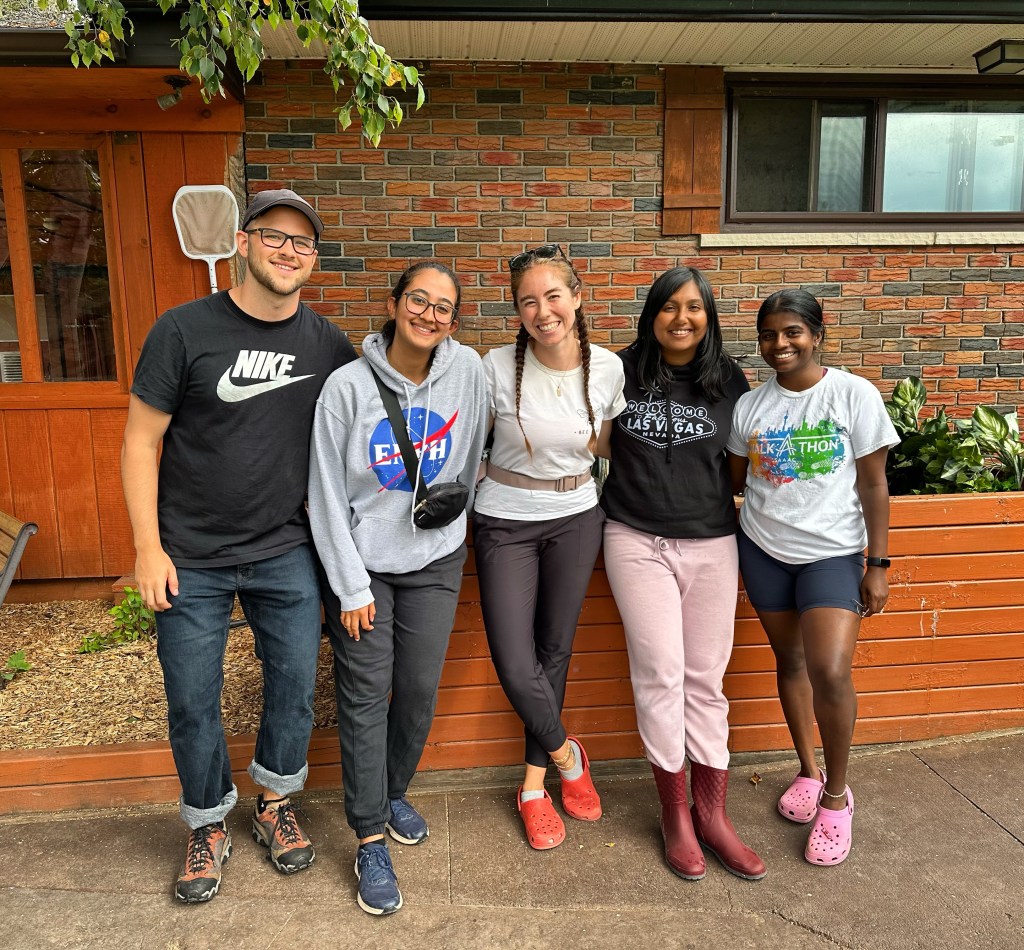
One thing I take very seriously when I am working with students, is emphasizing that I do not consider myself an expert by any means. I believe that this allows for me to discuss the ever learning way that OT jobs are, and that clinical reasoning and collaboration is so important. I am constantly learning, and especially because I’m working with so many different clients in different capacities without one specific population as the majority, I can’t provide all the answers. In this case it gives the students the reminder that I’m not expecting all the answers from them. We’ll learn together!
One of the major pieces of feedback that my students have given me is their appreciation for the open communication and sensitivity around their personal lives. I like to approach being a preceptor in a holistic way just like I approach my clients. I know that being a student is hard, and that your personal life doesn’t stop for your education- in this way I encourage students to be open and ask for support when needed or take the time they need for self care. This includes seeking out conversations whether with myself or other comfortable humans, to work through challenging issues in their personal lives if needed so they can appropriately show up for their clients. This may not be the typical way business is approached, but in a time and era of burnout in healthcare, I believe teaching this mindset is important. It also creates a mutual respect for honesty and transparency from students.
In terms of honesty and transparency, I also like to be as honest as possible with my students. Yes, sometimes it’s important to make mistakes and learn on your own, but if my honesty can save someone pain or struggle in a job they don’t like or in a conversation with families that is very uncomfortable, why not! We talk about all sorts of topics as a student group, allowing them to pick my brain as much as possible. I also like hosting informal sessions at the end of the day where either I bring up a topic, students request a topic or I discuss a common theme from the reflective journals they write each week. This allows for exploration of topics that may or may not come up organically in clinical practice during placement, and gives the opportunity for students to share their experiences or questions that may come up in placement or classroom learning. We often cover emotional regulation, the politics of autism and disability, self care as a therapist, appropriate use of therapeutic use of self, the greyness of OT compared to the black and white learning in classrooms, and more!
One final thing I also always like to do is foster a colleague style connection. I offer the students the ability to build their own placement with advocacy for opportunities. I also like to connect with them on a colleague style collaborative level, and remind them that as they transition into future placements or careers that they have a connection with me. This helps with those anxieties and nerves – don’t get me wrong, completing a placement with me doesn’t guarantee a good grade, a resounding reference (though I think I’m pretty good at talking my students up when they’re good!), or a forever connection, but for the people i see strong passion in, they know they can always find me.
If you’re a preceptor and have different strategies, concerns or suggestions please let me know ! I’m always striving to improve my performance with each new group of students 🙂
 Be Your Own Sunshine
One thought on “Reflections of an Occupational Therapy Fieldwork Preceptor”