It’s been a while since I’ve shared a quote of the day, but it has been an interesting journey of life as of late and I thought this was an appropriate one!
Today’s quote of the day comes from Jim Rohn –
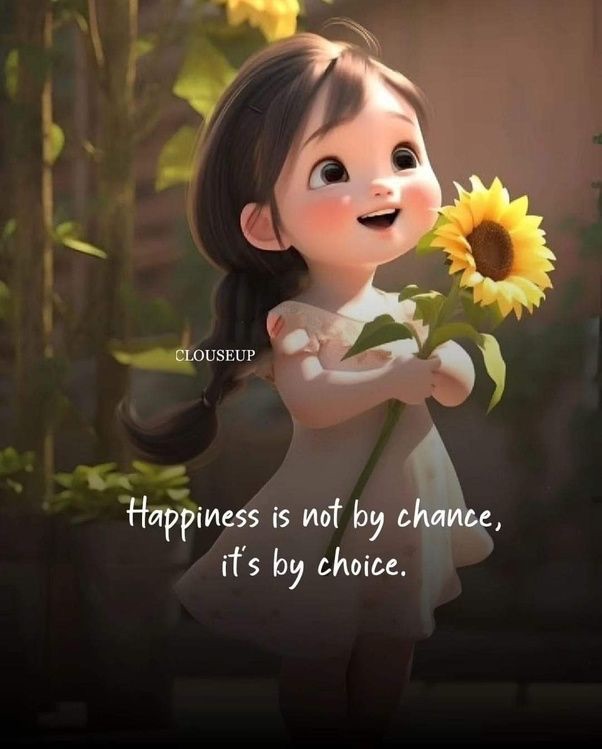
In the last while I have been going through some personal challenges as well as a very emotionally overwhelming time with work (as an Occupational therapist this is pretty on par but just more challenging than usual). A lot of the people around me have asked me how I’m doing and seem a bit shocked to hear I’m doing ok in the moment.
I thought this quote was a great one to accompany something that I learned recently from a family member who is a psychotherapist. She shared a tool she uses with her clients about the 5 ways to approach a problem. I connected so strongly with this because not only do I feel that a lot of my clients could benefit from this outlook, but I feel that I’ve been approaching my challenging times using this model without even realizing it and this is part of the reason I can say I’m happy even in such tumultuous times. (I had to use that word I love the way it feels to say out loud!)
Let’s jump into this problem solving model and then my reflection on the quote related to my life. Feel free to share in the comments how you interpret either of these!

According to this model there are 5 ways to approach a problem (read: approach not solve as solving is not the goal)
1. SOLVE – First approach to a problem is to try to solve it. Solution based thinking is always how I try to approach a problem with my clients at first. We explore what is possible in the moment and if we can do anything differently next time.
2. ACCEPT – the second approach is accepting the problem. If you aren’t able to find a solution in the moment you can work to accept how life is at the moment and learn to be as ok as possible. This is of course a challenging thing to do and work through, but aren’t most problem solving situations?
3. CHANGE – if you can’t solve the problem or accept the problem, the next step is changing the way you think or feel about the problem. Perhaps you are upset because a friend has bailed on your plans. You can accept your feelings and try to find a new way to think about the situation. Maybe you were excited about going for a hike but instead you go for a walk to the beach and read a book! Time for you! This again is not always the easiest thing to do, but from personal experience, with practice it becomes easier! And remember to be compassionate with yourself – you are allowed to find this hard and have hard emotions, but perhaps there’s something good you can enjoy for a bit during this time
4. STAY miserable and upset – this sounds like an obvious choice to not make, but often times we find ourselves here. For example, you have to drive a distance to work each day. You could let yourself succumb to road rage every single day and spend hours upset every week, or you could choose a different path and maybe listen to a cool podcast or jam out to good music and breathe through it. Another example I’m very familiar with is change of plans from friends – in the past I’ve chosen to be upset and let it ruin my whole day… now I’m practicing accepting my feelings and changing my experience by choosing different things to do and enjoy my time! Being upset is normal, but STAYing for longer than you need to be is a choice
5. ACTING impulsively and making things worse – sometimes we forget that we can take a deep breath and make a choice when we’re more regulated and calm or communicate our feelings and needs to people to work through problems we’re experiencing. In these moments of impulsivity we can often find ourselves in worse situations than we originally in. Think of impulsive drivers (I spend a lot of time driving each day) – I’ve seen people get cut off on the road and instead of taking a deep breath and adjusting their driving to be sure they navigate this driver safely, they act impulsively and intentionally speed up to cut off the driver and slow down suddenly to “get back at them”. Revenge may feel good in the moment but you’re potentially putting yourself and the other cats at risk. Another example is taking to social media to air out your private dramas instead of talking to the other person, or yelling at someone and saying things you regret later on instead of regulating your emotions and having a conversation. These are often things that can be impulsive and we don’t realize we do until we regret it after, or sometimes we actively make choices that worsen the situation. Either way, not ideal
Wrapping this little lesson I got from my family member up, remember that sometimes happiness happens naturally but often times we need to choose happiness and work for it. And when you choose to work for happiness, your life will be so much brighter 🩷
 Be Your Own Sunshine
sooooo late to comment – but this is great – thank you! Linda 🙂
LikeLiked by 1 person
Thank you Linda !
LikeLiked by 1 person
my absolute pleasure! 🌞
LikeLiked by 1 person