Occupational therapists (OTs) frequently incorporate arts and crafts into our therapeutic practices, recognizing the powerful role these activities can play in supporting mental, emotional, and physical well-being. In occupational therapy, the primary focus is on helping individuals perform everyday activities or “occupations” that are meaningful and important to them. Arts and crafts can be an integral part of these interventions, offering a range of therapeutic benefits.
As an OT, I tend to use arts and crafts in my practice a lot for a multitude of reasons. The physical act of crafting requires a lot of fine motor skills (think holding pencils, markers etc, peeling stickers, cutting and pasting), and larger crafts such as woodworking or mural painting may require practice of gross motor skills (think large muscle control, posture, strength etc). Crafting can be used to work on cognitive skills such as problem solving, decision making, and maintaining focus and attention. All of this also comes along with working through challenges and regulating your emotions when things become difficult. Crafting can be used as well to explore social connections through collaborative art and parallel play in craft groups, which has become quite popular amongst young people in 2024. On top of all of these skills, arts and crafts can be extremely beneficial for mental health.
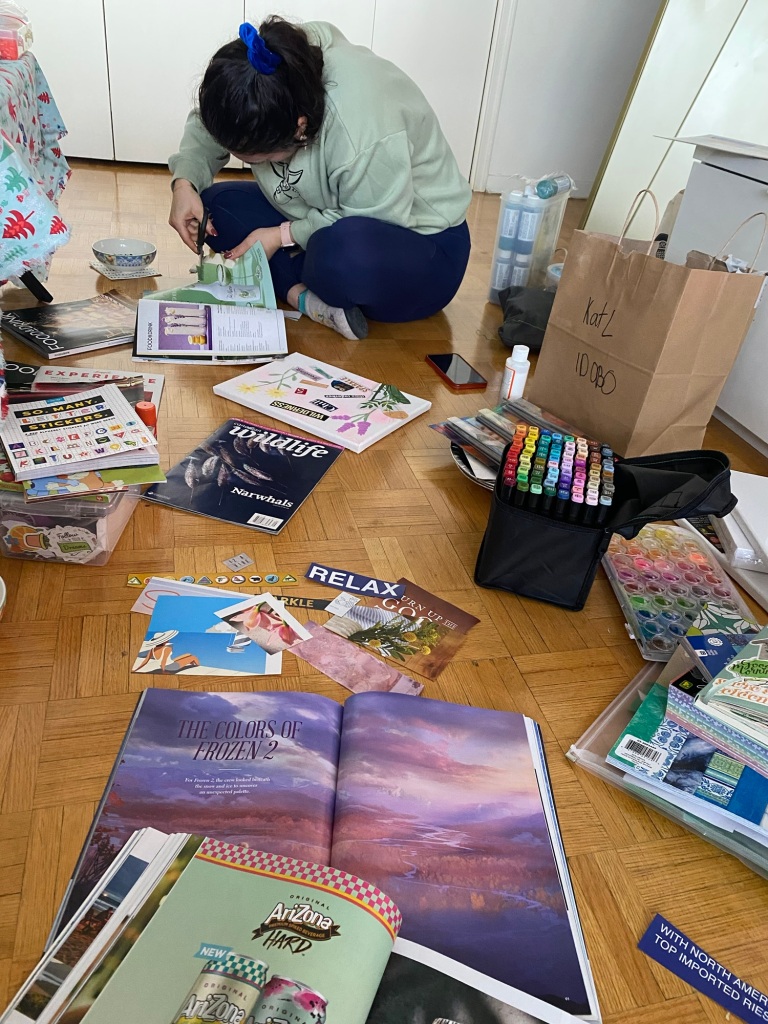
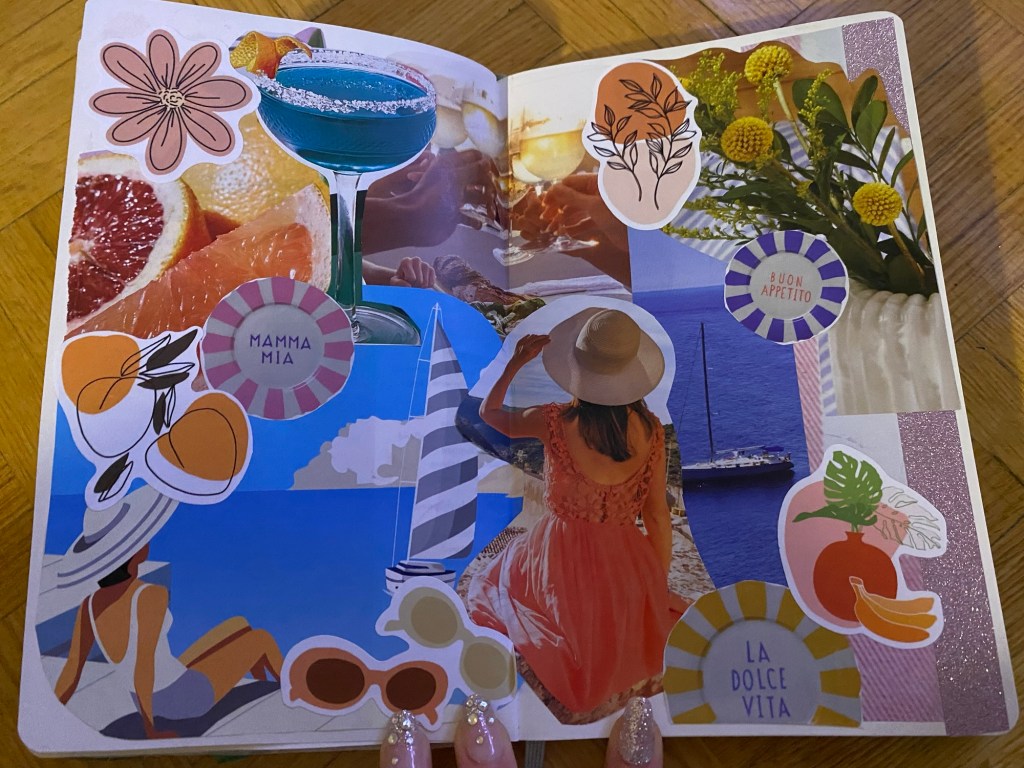
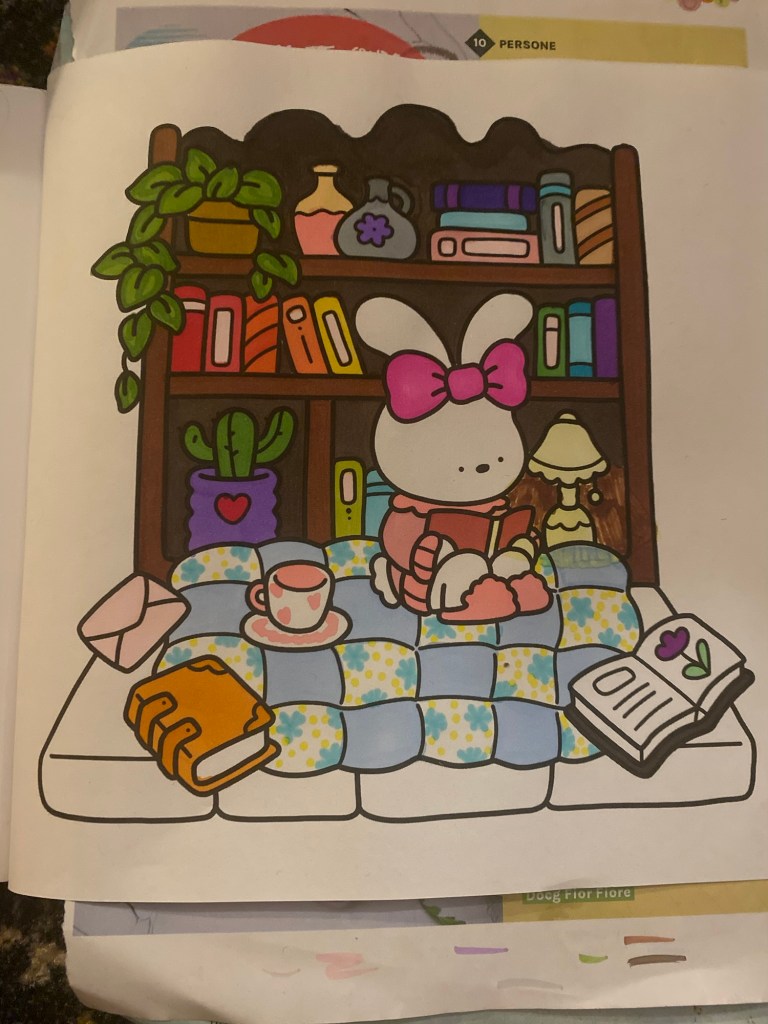
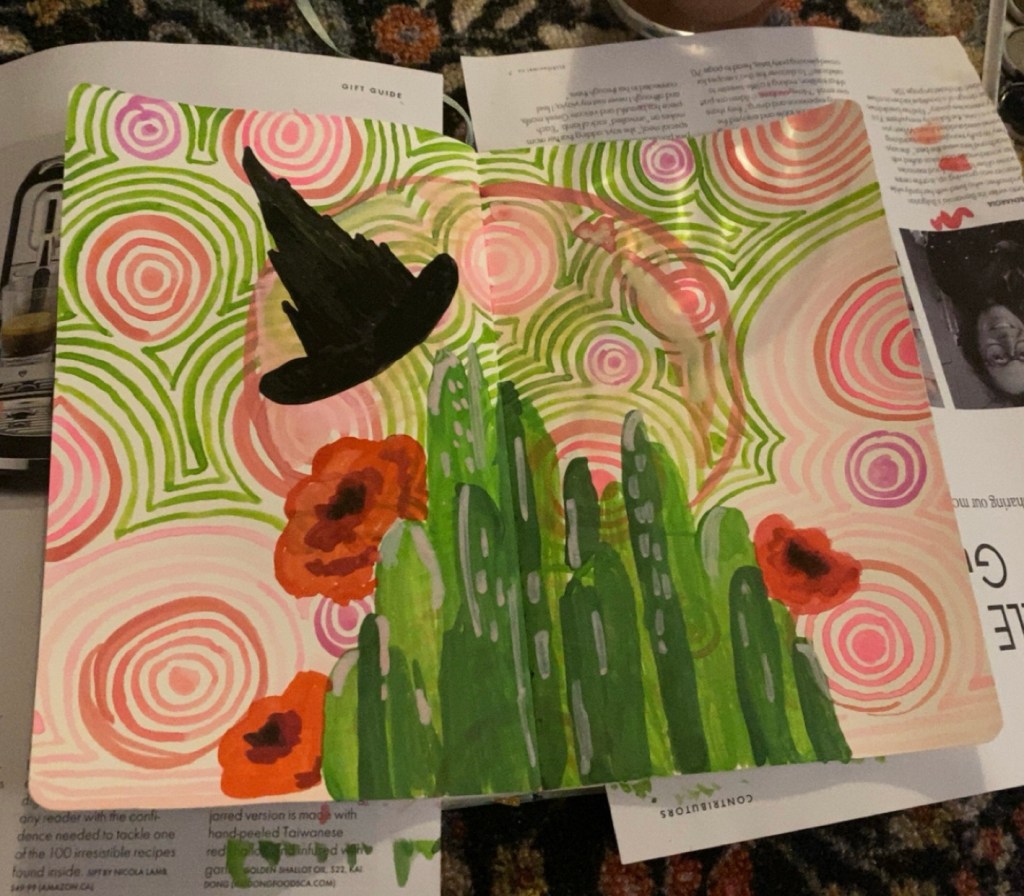
There is significant research supporting the connection between arts and crafts and mental health. Engaging in creative activities like art-making, crafting, and other forms of artistic expression has been shown to have a wide range of benefits for mental well-being. Here are some key areas where arts and crafts have been found to positively impact mental health:
1. Stress Reduction
Several studies have found that engaging in art and craft activities can reduce levels of stress and anxiety. One study published in the Journal of the American Art Therapy Association found that participants who engaged in art therapy showed reduced cortisol (a stress hormone) levels. The creative process, whether it’s painting, knitting, or sculpting, allows individuals to focus on the present moment, similar to mindfulness practices. This focus on the task at hand can reduce rumination and stress, helping the mind relax.
An important comment to make on this from my experience is the type of work you are doing. In school OTs learn about the “just right challenge”, which I believe applies here and even determines the benefits on stress that art may have. In the just right challenge, we look at your skills compared to the complexity of art. For example, I am not a knitter/crocheter, so for me if I was looking for a relaxing craft, I may not choose knitting as it would be more frustrating for me as I learn than relaxing. Instead I might choose colouring or collaging as it more closely matches the skill level I have and therefore allows me to zone in and enjoy! In order for art to be relaxing, I believe it must be easy and something you are able to do without worrying about perfection (process over product art)
2. Improved Mood and Emotional Expression
Creating art can serve as a form of emotional expression and a way to process feelings that may be difficult to articulate verbally. A study published in The Arts in Psychotherapy showed that individuals who engaged in art therapy had improved mood and a greater ability to cope with emotions. Art and crafts can provide a safe space for individuals to express their emotions, release pent-up feelings, and explore their inner world. This process can be especially beneficial for those who struggle to express themselves through words.
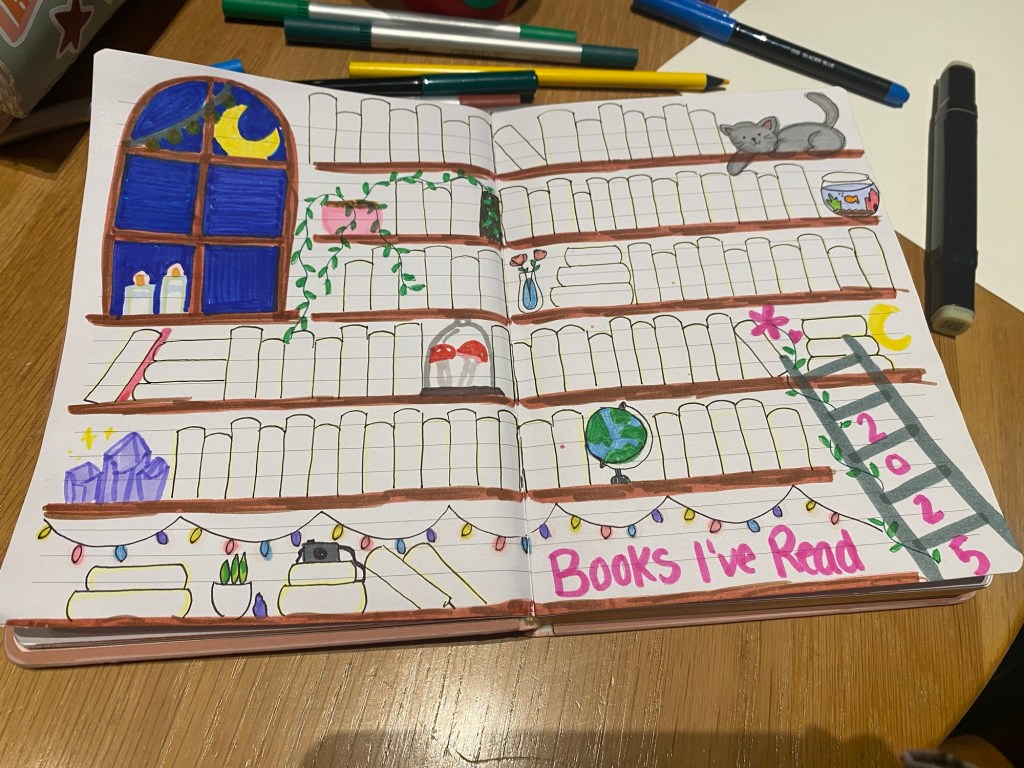
Art journalling and junk journalling have become a huge trend on Tik tok this year as people are looking for ways to relax and have fun as well as express themselves. Often when I am working with my clients, I teach them about the benefits of journalling but acknowledge that even I have trouble writing about my feelings sometimes. Sometimes it can be easier to draw, paint or collage about your feelings in order to process them and then the words may come afterwards! Think about art you might see in a gallery, usually from the brush strokes, colours and other artistic choices you can create a story that connects with it, often showing emotions and social ideology of the artist! Your art can be an outlet for you too!
3. Enhanced Cognitive Functioning
As mentioned earlier, regular engagement in arts and crafts can improve cognitive functioning, including memory, concentration, and problem-solving skills. A study published in The Journal of Aging and Health found that elderly individuals who engaged in arts and crafts activities showed improved cognitive function compared to those who did not. Arts and crafts often require attention to detail, planning, and the use of fine motor skills, all of which can stimulate brain activity and support cognitive health. For older adults, this can be especially beneficial in maintaining mental acuity.
In my OT practice (and in my own life), art plays a role in problem solving through frustrating moments and learning how to regulate your emotions to work through it. This is a skill that can be generalized and translated to many other parts in your life! For example, imagine you are doing an art piece and you get paint in a spot you didn’t want it to be. Some of my pediatric clients will immediately rip it up and then be upset they don’t have anything to show from their work. So we work together to think about how we can calm our frustration and then how can we fix the art so that we still have something at the end. If you think about problem solving in life, this can be translated to so many different spaces! For example, you are setting up for Christmas dinner and one of your ingredients ends up being rotten so you can’t use it. You can use the skills of processing and regulating emotions and problem solving a solution while you’re calm to make things work out for you.
4. Management of Symptoms in Mental Health Disorders
Arts and crafts have been shown to be effective tools in managing various mental health conditions, including depression, anxiety, PTSD, and even schizophrenia. For example, a study published in Psychiatric Services found that art therapy was an effective treatment for people with schizophrenia, helping manage symptoms and improve social functioning. Creative activities can help individuals process trauma, reduce intrusive thoughts, and promote self-expression in a non-threatening way. In cases of PTSD or trauma, crafting and art can help individuals externalize their feelings and experiences, making it easier to process them.
If you are looking to engage in art for the benefit of your mental health, you do not need to worry about not having a therapist to guide you, depending on the work you want to do. Please note that processing trauma through art can be triggering if you are not in a good place, so be cautious of how you are engaging. I have started to use artwork to support my own mental health, exploring colouring pages and art journalling. Remembering that this art is for your enjoyment and a way to get out your feelings, similar to journalling, is important as society tends to want to monetize artistic hobbies. You don’t have to create something magical and deserving of putting on an art gallery wall. Take time to create without judgement. If you are looking for something more, an art therapist is qualified to guide you through treatment using art and this can be beneficial to seek out. Please remember that it is important to see therapists who are certified and are kept accountable by a college, this can help ensure your needs are met and your emotions are safe.
5. Social Connection

While arts and crafts can be a solo and calming activity, it can also provide opportunities for social interaction, which is important for mental well-being. Studies show that group art activities, such as community art classes or crafting circles, foster a sense of belonging and support. With the rise in social media use to share personal stories and mental health journeys, finding online communities through watching videos and reading blog posts can expand your connections. There are many craft groups coming up, and if you take my word for it, there is nothing better than colouring or creating in a group!
Socializing while engaging in creative activities provides a sense of community, reduces feelings of isolation, and encourages positive social interactions. This is particularly beneficial for people who are socially anxious or have difficulty connecting with others. Parallel play is talked about deeply with children as the earlier stages of play, but in my experience working with neurodiverse individuals, this can be a calming way to connect with others while keeping your peace. Children will enjoy playing with toys beside other kids playing with their toys a different way, and this is connection. I find that as an adult, a large portion of our connection is having serious conversations, sharing stories, and talking about TV and news. While this is great, it can be overwhelming when you don’t want to talk or feel like you may not have energy for conversation. I love spending time in what I refer to as adult parallel play or “shared quiet time” – colouring or collaging with a friend can provide for time to share with another person while also just being present and engaging in a calming activity.
7. Mindfulness and Flow States
The concept of “flow” (a state of deep immersion and focus) is commonly associated with creative activities, but can be found in a variety of activities. Research in Psychology of Aesthetics, Creativity, and the Arts has shown that engaging in artistic activities can induce flow, leading to greater emotional and mental well-being.

Flow experiences are marked by a sense of being fully immersed in an activity, with no distractions or worries. This heightened state of focus can improve emotional regulation, increase happiness, and reduce negative thinking. It is important to note that in order to reach flow state within an activity, it is important to meet the “Just Right Challenge” that Occupational therapists love to focus on. Your choice of creation has to be just the right amount of challenge to meet your abilities, and I personally think the more burnt out you might be or the higher level of relaxation you are looking for, the less skill your art should require. Less skill = less pressure = less anxiety. If you are feeling very burnt out and overwhelmed, but want to use art as a tool, you might choose a colouring book instead of painting with oil paints. Less skill is required in a colouring book than a freestyle painting. The more stressed you feel, you may want to even further lower the stakes. For example, perhaps you get a very simple colouring book versus one of the meditative mandala books for adults. Maybe you use crayons so you don’t feel pressured for perfection vs beautiful expensive markers! You know yourself best, so this will look different for everyone. My friend even has stopped choosing her marker colours and just colouring every picture 2 or 3 random colours to reduce perfection and stress!
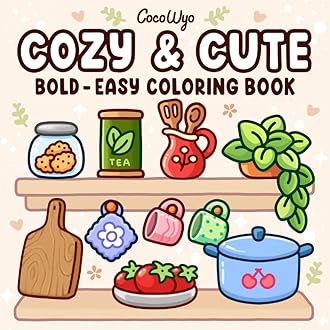
These are some of my favourite colouring books so far (Affiliate link included)


The connection between arts, crafts, and mental health is well-supported by research, which highlights how creative expression can promote emotional healing, reduce stress, improve cognitive function, and help manage mental health conditions. Whether through formal art therapy or personal creative practices like knitting, painting, or sculpting, engaging in arts and crafts provides a powerful, accessible tool for enhancing overall mental well-being.
In the past year, I have increased my personal engagement with arts and crafts and have seen important connections with my mental health and wellbeing. I love colouring books, art journaling and collaging, and painting repetitive paintings while watching tv! As an Occupational therapist, I use arts and crafts with my clients every day to explore a variety of benefits from collaborating with peers, working through challenges, positive self talk and other mental wellbeing skills, as well as physical skills like pencil grasp, fine motor, coordination etc. Each craft is meaningful to a specific client, so just like I choose each activity based on their skills, interests and needs, it is important to choose what works best for you!
Do you have any specific crafts you are into right now?
Notable Studies & Resources:
- Cathy Malchiodi’s Work: Malchiodi is a leading figure in art therapy, and her research emphasizes how arts and crafts can help individuals process trauma and emotional distress. Her book, The Art Therapy Sourcebook, provides a detailed overview of how creative processes can be therapeutic.
- The National Alliance on Mental Illness (NAMI): NAMI has explored the mental health benefits of art-making, especially in communities dealing with mental illness. They emphasize how art activities can foster self-expression and personal insight.
- The Benefits of Art Therapy: A systematic review in The Arts in Psychotherapy found that art therapy helps improve emotional well-being, particularly for people experiencing trauma, depression, and anxiety disorders.
 Be Your Own Sunshine
2 thoughts on “The Healing Power of Arts and Crafts for Mental Health”