A while ago I had the idea to start a little OT Journal Club where I would read an open access article, summarize it briefly and share my insight. My first one was something I was super proud of (read here) but then I fell off the wagon and haven’t been able to finish another one until now! So here is OT Journal Club number two! If you have reviewed an article recently please share with me as I am always looking for new info to learn and share with my clients (of all ages)
This article is titled “The relationship between children’s sensory processing patterns and their leisure preferences and participation patterns.”, published in the Canadian Journal of Occupational therapy (embedded below)
There is evidence that suggests that sensory processing patterns affect children’s choice of participation in different activities. This makes it important to consider sensory preferences when offering various play activities, and how their sensory preferences may be affected by various play activities as well. As a therapist, this can be important information to consider not only when supporting participation in daily activities, but also to design therapy that children will buy into. Before even reading more into the article it already caught my eye because I find that I notice this a lot with my pediatric clients and that I plan as much as I can according to these preferences.
Participation in leisure activities is something that is so important not only for human development, as we learn different skills, but supports our connections with other humans and communities, provides meaning and purpose, and supports mental wellbeing. Leisure activities can also be a big way for individuals to express who they are, giving them a sense of self and a way to find their community in the world. We know from a variety of occupational therapy theories, that when there is an occupational imbalance, meaning that we focus more of our time in one area of activity that another, we can experience poor health. In our day and age, I believe that a lot of people experience occupational imbalance with a lack of participation in leisure activities. For our children, often times there is avoidance of certain activities due to high sensory stimulation that can be quite overwhelming.
When we discuss sensory processing in occupational therapy, we are looking at the connection between a person’s nervous system and self regulation strategies. Winnie Dunn spoke about four basic patterns of sensory processing including; sensory seeking, sensory avoiding, sensory sensitivity and low registration.
- Sensory seeking = person has high sensory thresholds so they are looking for more input and activity as a self regulation strategy
- Sensory avoiding = person has low thresholds so they often find sensory stimulation overwhelming and will seek active self regulation strategies
- sensory sensitivity = person has low thresholds and will seek passive self regulation strategies
- low registration = person has high thresholds and a passive self regulation strategy.
Sensory processing patterns reflect the person and how they respond to every day life – these should be considered as to how people interact with the world and not a “pathology that needs fixing” as the article reminds. When responses to sensory stimulation is interfering with daily life is when OTs will become involved to find strategies to support.
In the research, it was suggested that children with different sensory processing patterns preferred different toys and that it is beneficial to understand these preferences when offering play activities.
Methods
The sample in this study was 91 children, 45 boys and 46 girls, ages 6-14 years in a medium sized midwestern city and surrounding suburban communities. The largest group was white, 22% had current IEPs (independent Education plans) and 8.8% were accessing OT services. The Sensory profile was used for children 11 and older, and the children’s version was used of the younger children. The Children’s Assessment for Participation and Enjoyment (CAPE) and the Preferences for Activities of Children (PAC) were used to measure participation and preferences in formal and informal activities.
Results

Children with different sensory processing patterns participated in similar and distinct activities according to the results. Children who were sensory avoiding seemed to have less interest in social activities and more interest in skill based activities such as reading and puzzles. Watching TV was the most preferred activity for all children according to results, and children with low registration tended to participate in fewer activities overall.
Discussion
In the discussion in the article, they share that it is hypothesized that as watching TV was identified as a preferred for all children, this may have affected the results as there was less information available for other activities. Only sensory avoiding children demonstrated distinct preferences in activities compared to others including puzzles, reading and doing a chore. These activities make sense in relating to a sensory avoiding child as they have low demands for social interaction and are not overly stimulating. These can also all occur in a quiet environment which is appealing for sensory avoiding children.
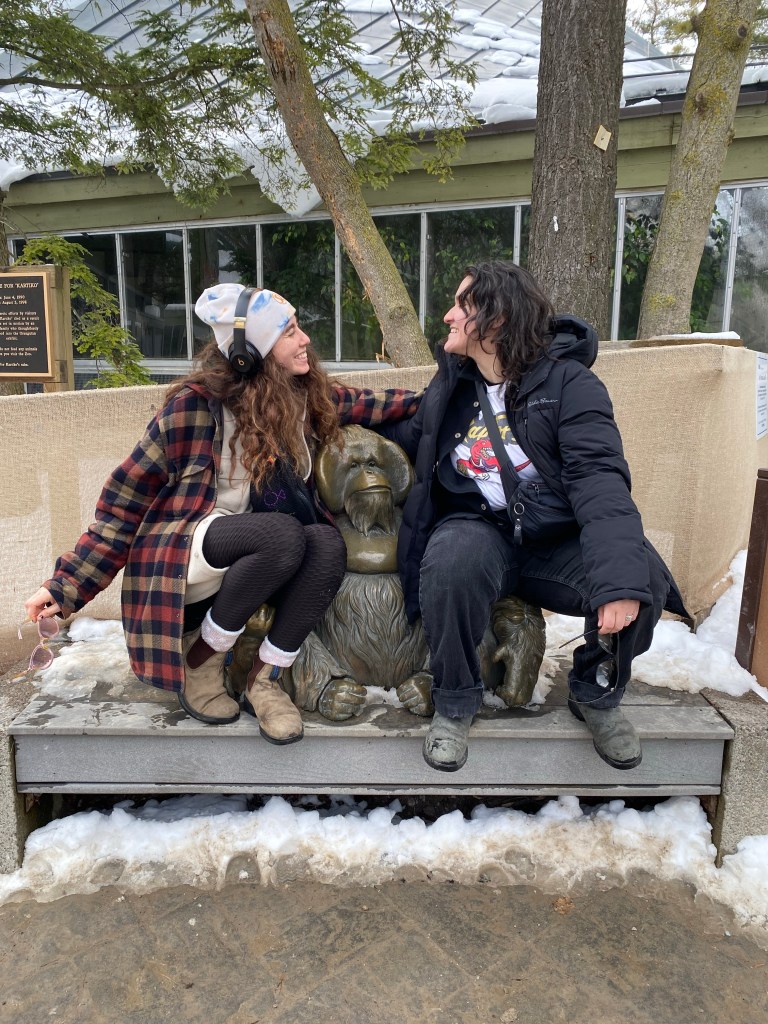
In the group overall, most children shared similar interests such as video games, drawing or colouring, listening to music or watching movies. An interpretation that I think is interesting is that children with different sensory processing patterns can all engage in these activities differently to meet their sensory needs. For example, sensory avoiding children may colour in a quiet room while sensory seeking children may make art in a more sensory way with music or tv in the background. I believe this is a big piece as environment is something I always look at first. I have a lot of kids that I work with who enjoy similar activities in different ways – my more sensory seeking kids may jump on the trampoline really high or want lots of friends to bounce with them while singing, while other more sensitive children like bouncing on their own or with one person and jumping slower and lower. Some of my kids love seeing the animals at my work with a big group of kids, while others wait until the last moment to have a quiet moment on their own. I believe as an OT and as a parent, we can modify the environment for our children to enjoy as many activity experiences as possible! As someone who is more sensory avoidant, this year I discovered my favourite time to enjoy a trip to the zoo is in the winter when most people don’t want to be outdoors and it is a more quiet and less busy time!



In terms of overall participation, it seemed that children with low registration participated less in activities overall, and perhaps this is because they are not seeking out different opportunities or asking parents for more experiences. Whereas someone who wants more sensory input may be seeking out social conversations or spaces with high stimulation, children who are avoidant or low registration may not need that or want that!
It was also found that children who are less sensitive and less avoiding to sensory stimulation participated in more social activities. This could include interaction with other children, large group games or activities with different people in new settings. In reflection this makes sense as they have more tolerance for these sensory demands including talking, listening and physical touch with other children. Looking at toleration to new activities, new spaces, loud noises, physical touch etc can make a huge difference in children feeling comfortable and EXCITED about these opportunities.
Moving forward with this knowledge, I believe it can be helpful for children and their families to know what their childs’ sensory profile is so leisure opportunities can be presented in a strengths based way. I have had families in the past stress about their child being so anxious during every soccer practice but not knowing if they should pull them out or not because they want to give them the opportunity and experience. Being able to know their child’s sensory needs, they could notice that they can still give their child positive experiences but in a less overwhelming way. Instead of having him not only stress about the skill of soccer, but also cope with the sounds, the kids bumping into them and the attention they have to spend to keep up, they can find a less sensory stimulating activity for them to find joy in! I suggested an art class or a music class where things are more organized and easier to focus on one piece at a time. Other children who are sensory seeking may not be able to focus on the quietness of an art class but thrive in a soccer setting where their energy and sensory needs are being met! I think the big take away of this article is that there are ways for all of us to participate in meaningful and enjoyable leisure occupations, and if we can consider our sensory needs and our childs’ sensory needs while choosing activities, we can have truly successful and purposeful experiences!
Do you have experience with this topic? What population do you work with and what have your experiences been like? I am always interested in learning other people’s experiences and how I can improve my services so please share in the comments!
If you are interested in learning about more leisure activities that can incorporate sensory exploration let me know!
Check out the rest of the OT Journal Club posts below :
 Be Your Own Sunshine